3D scanning has become an indispensable technology in modern engineering, manufacturing, and digital transformation. By capturing the precise geometry of physical objects and environments, 3D scanning converts real-world surfaces into highly accurate digital models. These models enable organizations to design better products, inspect components with confidence, and make faster, data-driven manufacturing decisions.
Unlike traditional measurement techniques, 3D scanning captures millions of data points in seconds, ensuring accuracy even for complex shapes, free-form surfaces, and hard-to-reach areas. As a result, industries that demand precision, speed, and repeatability increasingly rely on 3D scanning as a core part of their workflows.
Must explain to you how all this mistaken idea of denouncing pleasure and praising pain was born and I will give you a complete account of the system, and expound the actual teachings of the great explorer of the truth, the master-builder of human happiness. No one rejects, dislikes, or avoids pleasure itself, because it is pleasure, but because those who do not know how to pursue pleasure rationally encounter consequences that are extremely painful. Nor again is there anyone who loves or pursues or desires to obtain pain of itself, because it is pain, but because, occasionally, circumstances.
Key Industry Applications of 3D Scanning
1. Manufacturing & Quality Control
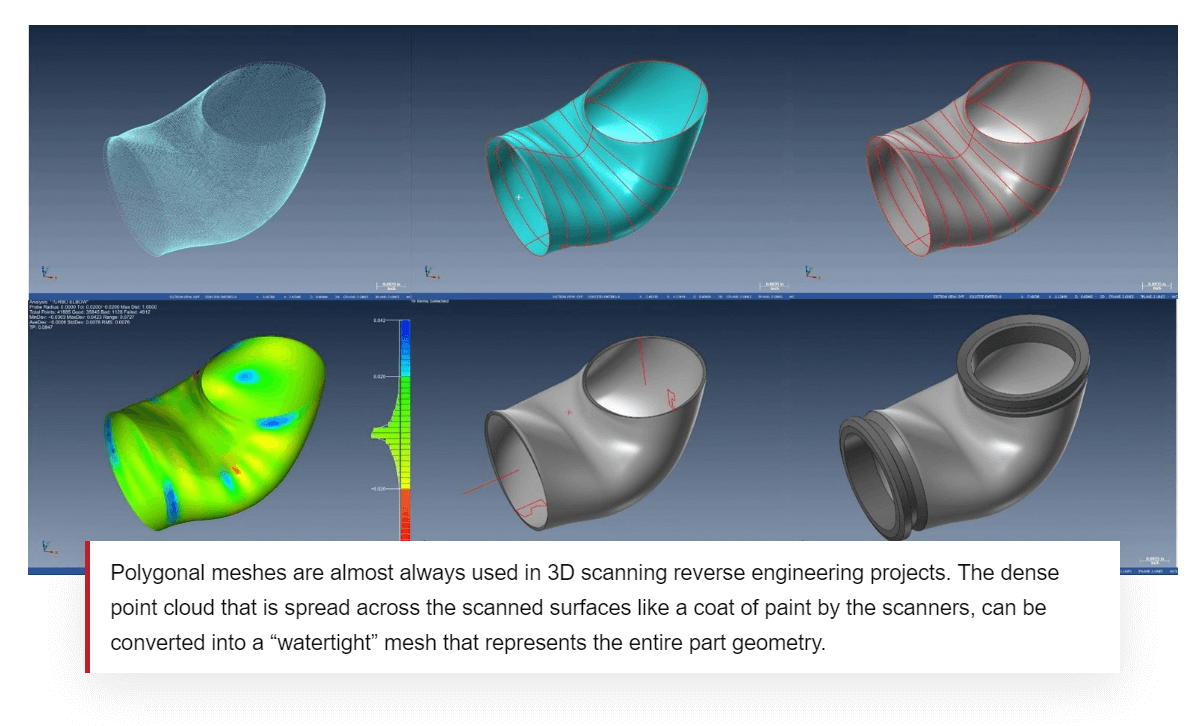
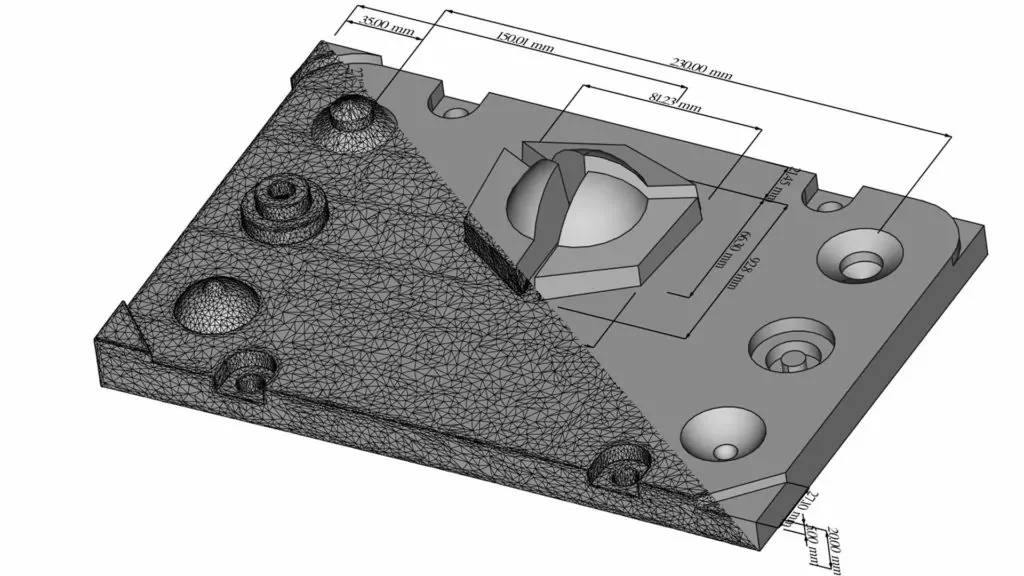
In manufacturing environments, maintaining tight tolerances is critical. 3D scanning enables non-contact inspection by digitally comparing scanned parts with their original CAD models.
By integrating 3D scanning into quality control processes, manufacturers can:
Reduce scrap and rework
Improve production consistency
Shorten inspection times
Ensure compliance with design specifications
2. Automotive & Aerospace
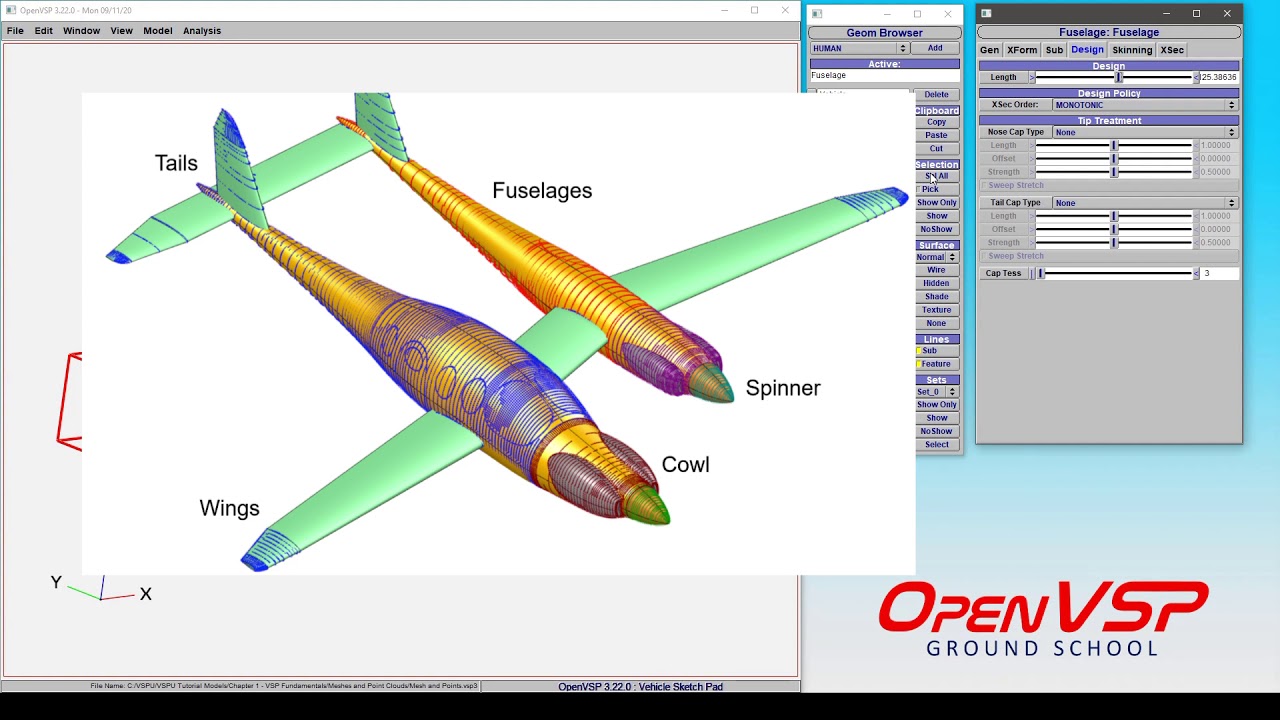
Automotive and aerospace industries rely on 3D scanning to accurately inspect complex components such as engine parts, body panels, turbine blades, and structural assemblies. It supports inspection, reverse engineering, and aerodynamic analysis while ensuring performance and safety.
Wear and deformation analysis of in-service parts
Aerodynamic optimization through surface data
Reverse engineering of legacy or damaged parts
3. Healthcare & Medical Devices
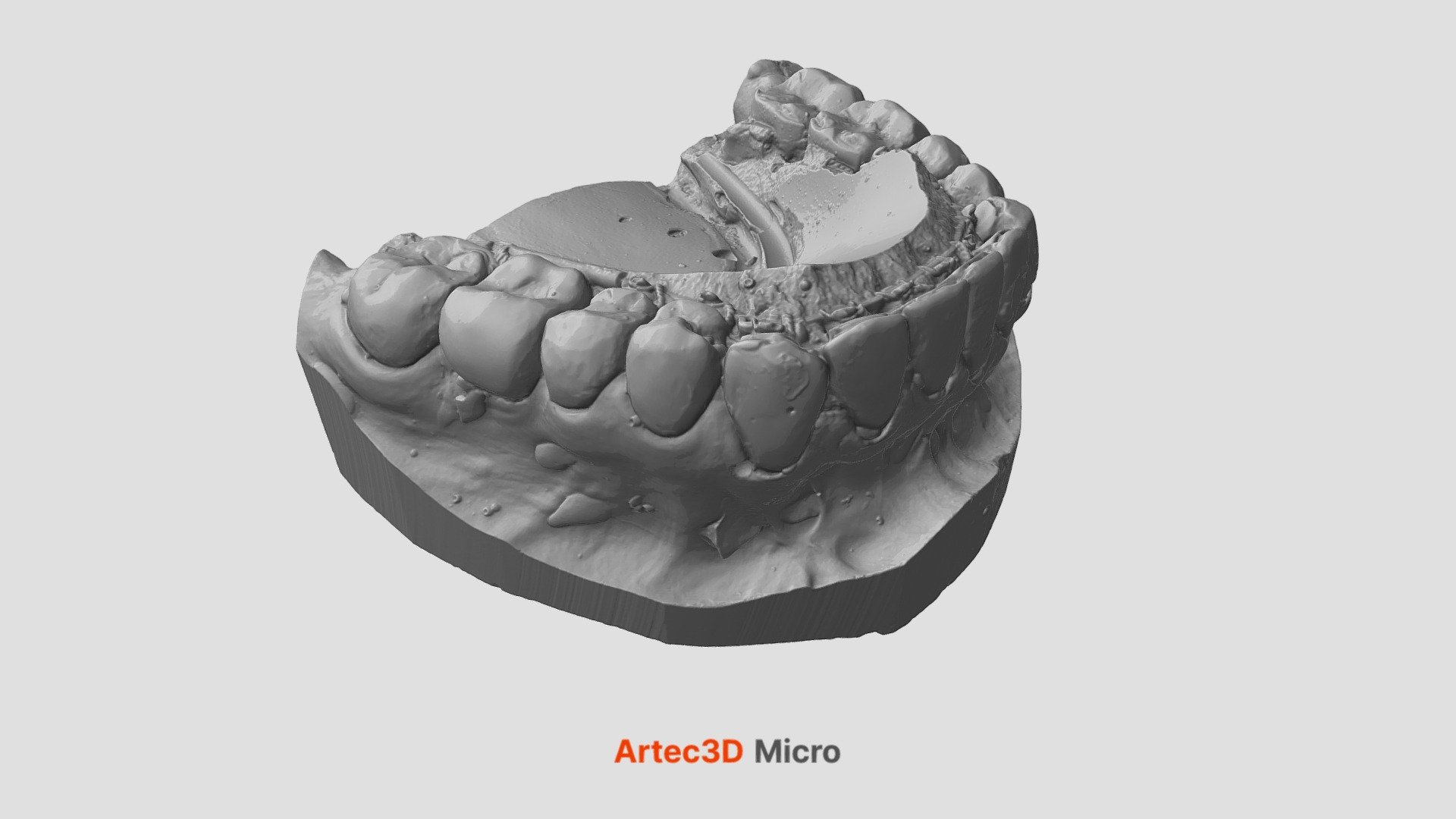
In healthcare, 3D scanning enables precise, patient-specific solutions by capturing accurate anatomical data. It is widely used for designing prosthetics, orthotics, dental appliances, and surgical guides.
Key benefits include:
Improved patient comfort and fit
Reduced manual molding and adjustments
Faster production of custom devices
Better clinical outcomes
4. Architecture & Construction
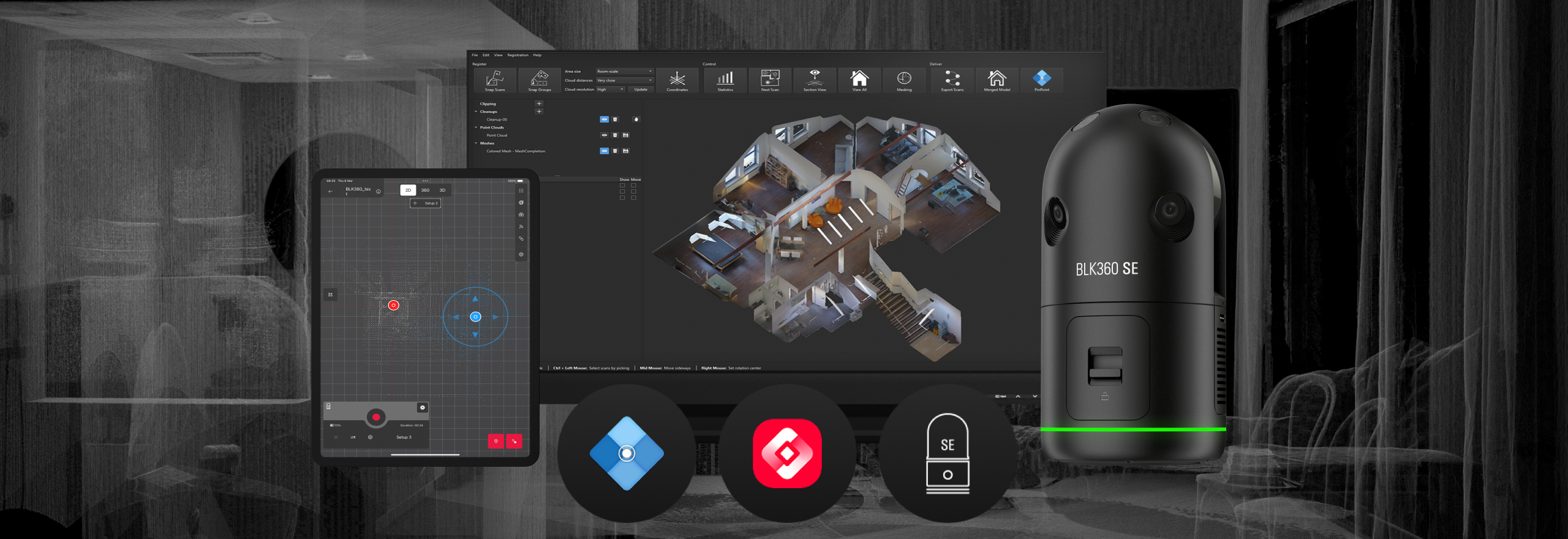
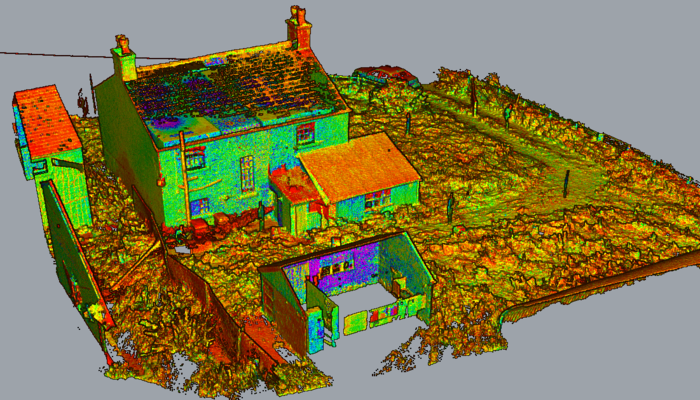
In architecture and construction, 3D scanning captures accurate as-built data of buildings and infrastructure, supporting renovation, restoration, and retrofit projects.
Common use cases include:
Renovation and retrofit planning
Structural analysis and clash detection
Digital documentation of heritage buildings
BIM model creation from scan data
Why 3D Scanning Matters
3D scanning fundamentally improves how industries capture and use real-world data. By replacing slow, manual measurement methods with fast, high-resolution scanning, organizations gain better accuracy, reduced errors, and greater confidence in decision-making.
Key Advantages
Faster data capture
Higher measurement accuracy
Reduced human error
Better design and inspection confidence
✨ In today’s competitive landscape, 3D scanning is not just a tool—it’s a strategic advantage.